


Journal Club Global: Emulated Trials - A New Research Method With Insights Into Fertility Vitamin Supplements
Video


More JCG Videos
Journal Club Global: Healthy euploid dizygotic twin birth after transfer of nonmosaic aneuploid embryos
This interactive session will feature an in-depth discussion on the paper “Healthy euploid dizygotic twin birth after transfer of nonmosaic aneuploid embryos.”
Journal Club Global at Turkish Society of Reproductive Medicine Meeting
Fertility & Sterility is proud to once again partner with the Turkish Society of Reproductive Medicine. The panel will discuss the evidence behind an association between endometrial thickness and chance of live birth.
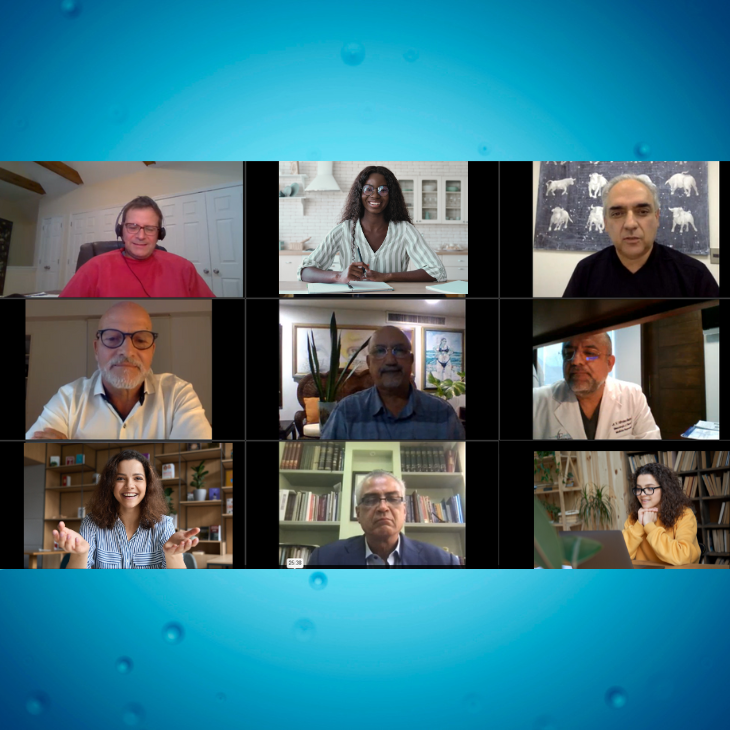
Journal Club Global: Emulated Trials - A New Research Method With Insights Into Fertility Vitamin Supplements
Explore how emulated trials reveal the impact of vitamin D on fertility, featuring ASRM experts and real-world research insights from the FAST trial.
Journal Club Global: SREI Fellows Symposium 2025
Journal Club debate: do surgically retrieved sperm match ejaculated sperm in donor-egg IVF? Review of evidence, blastulation, fertilization, outcomes, equity.
Journal Club Global LIVE at ANZSREI 2025
ANZSREI panel reviews a PGT-A study on male age and sperm factors in blastulation and euploidy, finding female age dominates and calling for better research.
Journal Club Global en Español: AMMR 2025
Experts discuss chaotic embryo classification, PGT-A rebiopsy outcomes, embryo quality, biopsy techniques, and transfer protocols for mosaic embryos.
Journal Club Global LIVE at MRSi 2025: Sibling Oocyte Studies in ART
Experts discuss sibling oocyte trials, PIEZO-ICSI, and microfluidics in ART, evaluating outcomes, design limits, lab impact, and clinical implications.
Journal Club Global Portuguese: A relação entre Fertilidade e Saúde do Homem
Experts discuss male infertility, its health links, lifestyle impact, and treatment strategies, emphasizing proactive care and fertility preservation.
Journal Club Global en Español: Proyecto SOP 2025
Fertility and Sterility presents Journal Club Global at the 2nd International Congress of "Proyecto SOP"
Journal Club Global: Clinical Evaluation and Management of Chronic Endometritis and Its Impact on Fertility
Experts discuss chronic endometritis, its diagnosis, treatment, and impact on fertility, highlighting key findings, diagnostic methods, and future research needs.
Journal Club Global: Embriões mosaicos ao Teste Genético Pré-Implantacional para Aneuploidia (PGT-A): o que fazer?
Discutiremos embriões mosaicos ao teste genético pré-implantacional para aneuploidia (PGT-A)

Journal Global Club From TSRM 2024: Preimplantation genetic testing for aneuploidy in unexplained recurrent pregnancy loss: A systematic review and meta-analysis
Explore the effectiveness of PGT-A in managing unexplained recurrent pregnancy loss, featuring systematic review findings, insights on miscarriage risks, and live birth rates.
Journal Club Global from MEFS 2024
Explore BMI's impact on IVF outcomes in a global fertility discussion, analyzing studies, obesity trends, and regional variations in reproductive health care.

Journal Club Global from ASRM 2024: Obesity and Reproduction
Join experts from Fertility and Sterility Journal Club as they explore the impact of obesity on reproduction, weight loss interventions, and emerging treatments in fertility.

Journal Club Global en Español: De la Reunión de la SAMER 2024
Onsite de la Reunión de la Sociedad Argentina de Medicina Reproductiva (SAMER) de Córdoba, Argentina
Journal Club Global: SREI Fellows Retreat - Fellows vs Faculty Debate: Luteal Support in Programmed FET Cycles
Fertility and Sterility Journal Club debate on progesterone administration in frozen embryo transfers, featuring faculty vs fellows discussing IM vs vaginal routes.
Journal Club Global from ANZSREI 2024: Debate Unexplained infertility; Straight to IVF?
ANZSREI 2024 debate: Should unexplained infertility go straight to IVF? Experts discuss pros, cons, and alternative treatments. No clear consensus reached.
Journal Club Global: Falha de implantação: realidade ou ilusão estatística?
Fertility and Sterility Global Journal Club from Brazil
Journal Club Global en Espanol: Actualizacion sobre el síndrome de ovario poliquístico
Fertility & Sterility se enorgullece de traer un Journal Club Global en Español en vivo desde Cancún, Mexico
Journal Club Global: Oral Progestin For Ovulation Suppression During IVF
Live broadcast from the 2024 Midwest Reproductive Symposium
International in Chicago, IL
Journal Club Global: Recent clinical trials in Fertility and Sterility from the Asia Pacific region
Join ASPIRE 2024 for a Journal Club Global on PGT-A and IVF. Learn from top experts discussing recent clinical trial data and pregnancy outcomes
Journal Club Global en Español: Avances recientes en el tratamiento del síndrome de ovario poliquístico e Infertilidad
Un panel de expertos discutirá dos artículos recientes de Fertility and Sterility que estudian la infertilidad y el síndrome de ovario poliquístico.
Journal Club Global: Cost effectiveness analyses of PGT-A
Infertility treatments can be financially burdensome, often without insurance coverage, making understanding the cost effectiveness of PGT-A crucial.
Journal Club Global: The future of REI Fellowship training: debating opportunities and threats
This exciting collaboration discusses the controversy and future directions for the field of Reproductive Endocrinology and Infertility medicine.
Journal Club Global: Infertility and Subclinical Hypothyroidism
The impact of treating SCH on fertility, obstetric outcomes, and offspring neurocognitive development is debated in the literature.
Journal Club Global: Actualidad En Tratamientos De Fertilidad Para Pacientes Con Endometriosis
Live in Spanish from the 2024 Peruvian Fertility Society Meeting - Lima, Peru
Journal Club Global - Recurrent implantation failure: Reality or statistical mirage?
This exciting new collaboration brings authors and experts to discuss the controversy and future directions for recurrent implantation failure.
Journal Club Global - Evidence based guidelines for PCOS
This virtual event discusses the international guidelines for the assessment and management of PCOS, conducted by the International PCOS Network.
Journal Club Global - Recurrent implantation failure: Reality or statistical mirage?
This exciting new collaboration brings authors and experts to discuss the controversy and future directions for recurrent implantation failure.
Journal Club Global - The Association of Ovarian Reserve and Embryo Aneuploidy
Recent research suggests that the Antimullerian hormone (AMH) may not reliably predict embryo health in both infertility and non-infertility cases.
Journal Club Global - Actualización en la suplementación con progesterona en fase lútea para transferencias de embriones congelados
Efectividad del rescate de progesterona en mujeres que presentan niveles bajos de progesterona circulante alrededor del día de la transferencia de embriones
Journal Club Global - Revisiting the STAR trial: The Fellows debate PGT-A
We are excited to host a debate covering the pros and cons of PGT-A and how new technologies should be validated before clinical implementation.
Journal Club Global: Absolute uterine infertility a Cornelian dilemma: uterine transplantation or surrogacy?
Absolute uterine infertility presents as a Cornelian dilemma for patients and providers.
Journal Club Global: Transferencia de embriones frescos versus congelados: ¿Cuál es la mejor opción
Los resultados de nuevas técnicas de investigación clínica que utilizan información de bancos nacionales de vigilancia médica.
Journal Club Global: IVM in Clinical Practice: An Idea Whose Time Has Come?
In vitro maturation (IVM) has the potential to make IVF cheaper, safer, and more widely accessible to patients with infertility.
Journal Club Global - What is the optimal number of oocytes to reach a live-birth following IVF?
The optimal number of oocytes necessary to expect a live birth following in vitro fertilization remains unclear.
Journal Club Global: Surgical management of endometriosis in women diagnosed with infertility (Spanish language)
Journal Club Global: Natural versus Programmed FET Cycles
Journal Club Global: Moving leiomyoma research from bench to bedside
Journal Club Global: Does diminished ovarian reserve impact embryo aneuploidy or live birth rates?
Journal Club Global: Is PGT-P cutting edge or should we cut it out?
PGT for polygenic risk scoring (PGT-P) is a novel screening strategy of embryos for polygenic conditions and traits.
Journal Club Global: Should everyone freeze oocytes by age 33?
Oocyte cryopreservation is one of the fastest growing areas of reproductive medicine.
Journal Club Global: Management of poor ovarian response
A poor ovarian response to what should otherwise be a successful stimulation cycle presents a clinical conundrum for clinicians.
Journal Club Global: Non-invasive Diagnosis of Endometriosis
One of the most exciting developments in the field of endometriosis is the push towards earlier and less invasive approaches to diagnosis.
Journal Club Global: Evidence for Immunologic Therapies in Women Undergoing ART
Reproductive immunology is perhaps one of the most controversial and promising fields within ART.
Journal Club Global Live from PCRS - Non-Invasive Embryo Selection Techniques
The next great frontier in reproductive medicine is how to non-invasively select an embryo with the highest reproductive potential for transfer.
Journal Club Global Live from PCRS - ICSI for Non-Male Factor Infertility
While intracytoplasmic sperm injection (ICSI) has revolutionized the treatment of male factor infertility, a significant controversy still remains regarding its ubiquitous use in all IVF cycles.
Journal Club Global - To Operate Or Not To Operate: Debating Intramural Fibroids And Fertility
The event will debate the upcoming F&S Fertile Battle “Intramural myomas more than 3 to 4 cm should be surgically removed before IVF”.
Journal Club Global - PGT-A - Can non-invasive approaches based on spent medium analysis
PGT-A by trophectoderm biopsy aims to select available euploid embryos for transfer.
Journal Club Global - Obesity & Reproduction: An Update on Management and Counseling
Obesity can negatively impact reproduction in various ways, including ovulatory and menstrual function, natural fertility and fecundity rates, infertility treatment success rates, infertility treatment safety, and obstetric outcomes
Journal Club Global - Does the Endometrium Play a Major Role in Endometriosis-Associated Infertility
This will be a virtual event in the style of the "Fertile Battle" debate that took place at the 2019 SREI Fellows Symposium
Journal Club Global - Best Practices of High Performing ART Clinics
This Fertility and Sterility Journal Club Global discusses February’s seminal article, “Common practices among consistently high-performing in vitro fertilization programs in the United States: a 10 year update.”
Journal Club Global - Should Fellows Perform Live Embryo Transfers in Fellowship?
Few things are more taboo in reproductive medicine fellowship training than allowing fellows to perform live embryo transfers.
Journal Club Global - Fertilization rate as a novel indicator in ART results
This Journal Club Global discusses a provocative article recently published in Fertility and Sterility, discussing the results of a multicenter retrospective cohort study with the objective to appraise the fertilization rate as a predictive factor for cumulative live birth rate (CLBR).
Journal Club Global Live from ASRM - Optimal Management of the Frozen Embryo Transfer Cycle: Insights From Recent Literature
Three recent papers published in the Fertility and Sterility family of journals, all explore different aspects of optimizing frozen embryo transfer cycles.
Journal Club Global - Are We Approaching Automation in ART?
Some ART diagnostic devices are already available and offer objective tools of evaluation.
Journal Club Global Live from India - Adjuvants in IVF and IVF Add-Ons for the Endometrium
Many adjuvants have been utilized by IVF centers to improve their success rates.
Journal Club Global - Accuracy of Preimplantation Genetic Testing for Aneuploidies
Club Global Académico - ¿Cual debe de ser la primera línea de tratamiento en parejas con infertilidad inexplicable?
Nuestro debate se enfocará en el manejo óptimo de la infertilidad inexplicable, y como el problema debe de ser abordado en Latinoamérica basado en la literatura global reciente.
Journal Club Global - Recurrent Implantation Failures in ART: Myth or Reality?
Fertility and Sterility
F&S Reports
F&S Reports is an open-access journal that publishes peer-reviewed original scientific articles in clinical and translational research that have strong potential to transform clinical practice.
F&S Reviews
F&S Reviews publishes both systematic and comprehensive, authoritative review articles spanning reproductive medicine or science.
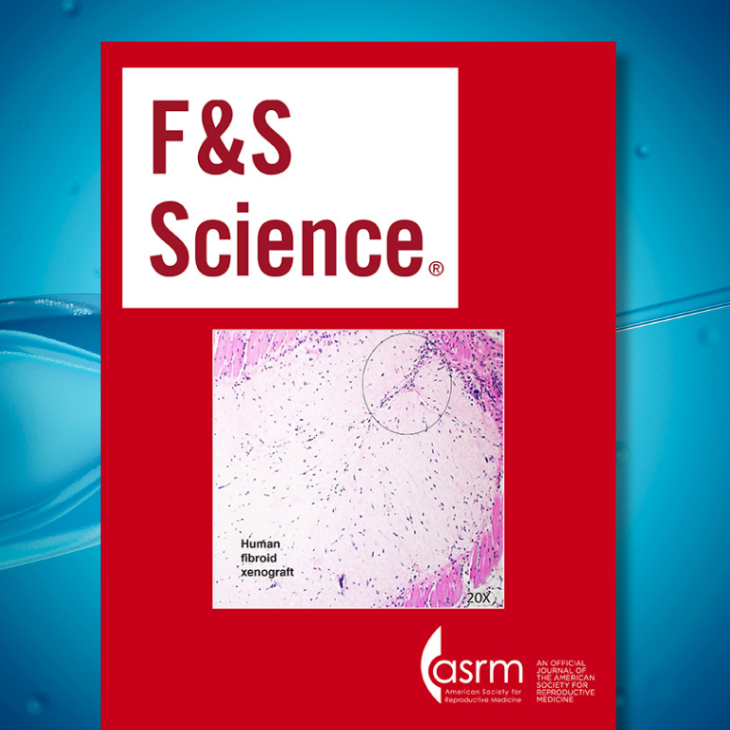
F&S Science
F&S Science publishes peer-reviewed original scientific articles in basic, laboratory, and translational research that has strong potential to transform clinical practice.
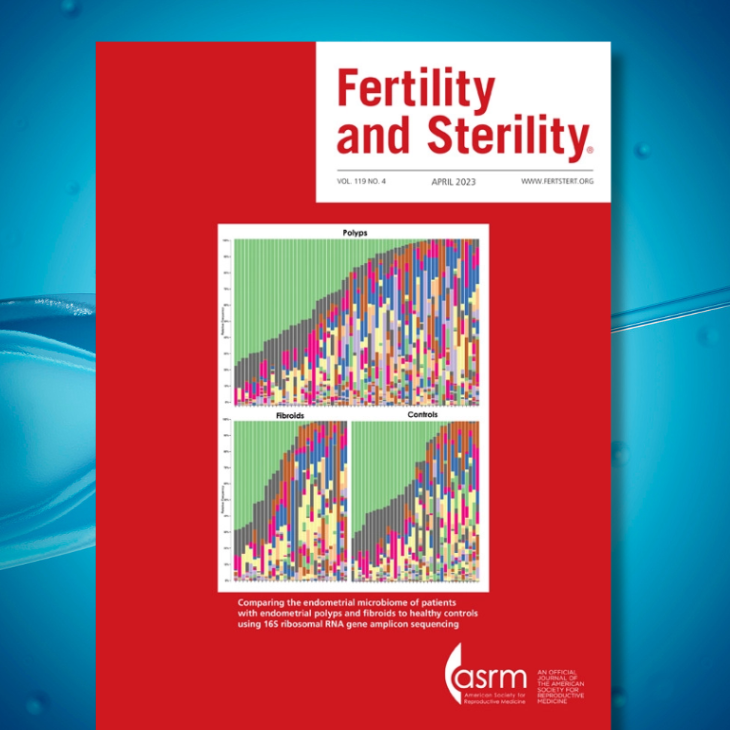
Fertility and Sterility
Fertility and Sterility® is an international journal for health professionals who treat and investigate problems of infertility and human reproductive disorders.
Journal Club Global
Fertility and Sterility Journal Club Global is an interactive online discussion of a hot topic or seminal article from Fertility and Sterility.
Topic Resources

Fertility and Sterility On Air - Unplugged: March 2026
Fertility podcast explores IVF research, PRP risks, and recurrent pregnancy loss, highlighting evidence gaps, patient safety, and emerging reproductive medicine trends. Listen to the Episode
National Infertility Awareness Week
April 19-25, 2026, is National Infertility Awareness Week (NIAW)!
View the NIAW Toolkit
Mar 2026: Is Infertility a Chronic Disease? Why This May Matter for Billing and Coding
This document reviews a recent question regarding whether infertility is considered a chronic disease. View the blog post
Fertility and Sterility On Air - Roundtable: Should you do ultrasound monitoring for IUI cycles?
This episode of Fertility and Sterility is a roundtable, hosted by Dr. Emily Barnard and Dr. Ben Peipert with a discussion with the authors of "Views and Reviews" and "Fertile Battle" articles published in a recent issue of Fertility and Sterility. Listen to the Episode
From Guidance to Global Impact: How ASRM’s Updated Definition of Infertility Helped Shape Policy in Australia
SRM's updated infertility definition became a catalyst for regulatory action internationally and yielded new hope for growing families on the other side of the world. Read about the impact
Journal Club Global: Emulated Trials - A New Research Method With Insights Into Fertility Vitamin Supplements
Explore how emulated trials reveal the impact of vitamin D on fertility, featuring ASRM experts and real-world research insights from the FAST trial. View the Video
The reproductive endocrinology and infertility subspecialist: definition, training, and scope of practice in the United States (2025)
Learn the 2025 ASRM definition, training, and scope of practice for reproductive endocrinology and infertility subspecialists in the U.S. View the Committee Opinion
Improving access to care and delivery to marginalized and vulnerable populations: a committee opinion (2025)
ASRM committee opinion on reducing infertility care disparities, outlining barriers and actionable strategies to improve equitable access. View the opinion
Key Abstracts Presented at the ASRM 2025 Scientific Congress & Expo
ASRM 2025 reveals support for IVF access, wildfire smoke's fertility risks, and how insurance mandates improve outcomes in reproductive health care. View the Press Release
Fertility and Sterility Publishes Editorial Exploring the Origins of “Restorative Reproductive Medicine” and Why Modern Fertility Care Must Remain Comprehensive
Restorative reproductive medicine overlooks IVF, male-factor care, and the need for full-spectrum fertility treatment using modern technologies. View the Press Release
Fertility and Sterility On Air - TOC: October 2025
Explore October 2025's top fertility topics—donor egg outcomes, ART protocols, male infertility drugs, SART data, and more from ASRM's F&S On Air podcast. Listen to the Episode
ASRM PRIMED Cohort Members—Including Physicians, Providers, and Experts—Meet with Congressional Offices to Advocate for IVF Access & Educate About Realities of Restorative Reproductive Medicine
ASRM PRIMED cohort meets Congress to push for IVF access, clarify risks of restorative reproductive medicine, and defend science‑based fertility care. View the Press Release
ASRM Hosts Capitol Hill Briefing for Policymakers & Congressional Staff to Hear From Providers & Patients About Importance of IVF Access, Realities and Limitations of Restorative Reproductive Medicine
ASRM briefing united lawmakers, physicians & patients on IVF access, exposing RRM limits and urging policies to expand fertility care options. View the Press Release
SRS Warns Against Limiting Access to IVF Under the Guise of “Restorative” Care
SRS, an ASRM affiliate, advocates evidence-based reproductive surgery and full-spectrum fertility care for conditions like endometriosis, fibroids, and PCOS. View the Press Release
Fertility and Sterility Publishes Editorial Piece on How Restorative Reproductive Medicine Violates Reproductive Autonomy and Informed Consent
Editorial in Fertility and Sterility warns that Restorative Reproductive Medicine spreads stigma, delays care, and undermines IVF and patient autonomy. View the Press Release
F&S Reports Publishes Editorial Piece on the Unscientific Nature of the Arguments for “Restorative Reproductive Medicine” and Why We Need to Understand Them
F&S Reports editorial critiques “Restorative Reproductive Medicine” as unscientific, faith-driven, and a threat to evidence-based IVF care and reproductive rights. View the Press Release
ASRM Center for Policy and Leadership Releases Fact Sheet on Following the Science & An Evidence-Based, Science-Driven Response to Infertility
ASRM’s fact sheet outlines an evidence-based infertility care pathway, countering misleading RRM claims with science-backed medical best practices. View the Press Release
Follow the Science: An Evidence-Based, Science-Driven Response to Infertility
A science-based infertility evaluation and treatment guide, grounded in clinical best practices, counters ideologically driven alternatives like RRM. View the advocacy resource
ASRM Ethics Committee Delivers New Opinion on Assisted Reproduction with Advancing Parental Age
ASRM Ethics Committee issues guidance on assisted reproduction and advanced parental age, addressing medical, ethical, and psychological considerations. View the Press Release
Empathy in Action: Strengthening the Patient-Provider Connection
Dr. Tara Harding discusses how healthcare providers can foster empathy, trust, and patient-centered care to improve women's health outcomes. View the ASRMed Talk Video
Evidence-based guideline: Premature Ovarian Insufficiency (2025)
This guideline on premature ovarian insufficiency (POI) offers best practice advice on the care of women with POI. View the Joint Committee Document
Use of preimplantation genetic testing for monogenic adult-onset conditions: an Ethics Committee opinion (2024)
Preimplantation genetic testing for adult-onset monogenic diseases is ethically allowed when fully penetrant or conferring disease predisposition. View the Committee Opinion
Appropriate Use of Modifier -25
Is Modifier -25 appropriate in the monitoring cycle when an ultrasound View the Answer
Billing for E/M Visits
When billing Evaluation & Management (E/M) visits based on medical decision-making, would we View the Answer
When to use code Z31.83
When a patient is completing an approved fertility cycle, is it necessary View the Answer
Timed Intercourse Cycle Codes
Is it appropriate to utilize codes N97.8 or View the Answer
The use of preimplantation genetic testing for aneuploidy: a committee opinion (2024)
PGT-A use in the U.S. is rising, but its value as a routine IVF screening test is unclear, with mixed results from various studies. View the Committee Opinion
Fertility Support and AI: Help or Hinderance
Discover how fertility apps impact patient care and nursing staff. Explore the balance between tech and human touch in complex fertility treatments View the ASRMed Talk Video
HyCoSy and CPT 74740
When Office HSG/HyCoSy is performed but no x-ray/fluoroscopic imaging is performed, only ultrasound is done, is it appropriate to bill CPT code 74740? View the Answer
Subclinical hypothyroidism in the infertile female population: a guideline (2024)
This guideline reviews the risks and benefits of treating subclinical hypothyroidism in female patients with a history of infertility and miscarriage. View the Committee Guideline
Tobacco or marijuana use and infertility: a committee opinion (2023)
In the United States, approximately 21% of adults report some form of tobacco use, although 18% report marijuana use. View Committee Opinion
Journal Club Global: The future of REI Fellowship training: debating opportunities and threats
This exciting collaboration discusses the controversy and future directions for the field of Reproductive Endocrinology and Infertility medicine. View the Video
Journal Club Global: Infertility and Subclinical Hypothyroidism
The impact of treating SCH on fertility, obstetric outcomes, and offspring neurocognitive development is debated in the literature. View the Video
Ethical considerations for telemedical delivery of fertility care: an Ethics Committee opinion (2024)
Telemedicine has the potential to increase access to and decrease the cost of care. View the Committee Opinion
Ethical obligations in fertility treatment when intimate partners withhold information from each other: an Ethics Committee opinion (2024)
Clinicians should encourage disclosure between intimate partners but should maintain confidentiality where there is no harm to the partner and/or offspring. View the Committee Opinion
Definition of infertility: a committee opinion (2023)
Defines infertility as a disease impacting reproductive function, guiding evaluation and inclusive treatment regardless of age, status, or orientation. View the Committee Opinion
Diagnostic evaluation of sexual dysfunction in the male partner in the setting of infertility: a committee opinion (2023)
It is the responsibility of the clinician to assess for erectile dysfunction, ejaculatory dysfunction, or diminished libido in men presenting for infertility. View the Committee Opinion
Journal Club Global - Actualización en la suplementación con progesterona en fase lútea para transferencias de embriones congelados
Efectividad del rescate de progesterona en mujeres que presentan niveles bajos de progesterona circulante alrededor del día de la transferencia de embriones View the Video
Post Vasectomy Infertility
If a husband has had a vasectomy, does the sterilization code apply to the wife's visits? View the Answer
Pregnancy Of Uncertain Viability Ultrasound
My staff is telling me that I am getting reimbursed for the first sonogram and OB visit (using ICD 10 code for pregnancy of uncertain viability – O36.80X0. View the Answer
Pregnancy Ultrasound
Our practice does routine ultrasounds (sac check- 76817) at the end of an IVF cycle and bill with a diagnosis code O09.081, pregnancy resulting from ART. View the Answer
Psychological Evaluation
Many REs require patients (and their spouses/partners) who are considering using donor gametes to see an infertility counselor first. View the Answer
Self-referred New Patient
A patient self-refers to our physician for an initial new patient consultation instead of referred by another physician, how do we code for the consult? View the Answer
Surgery Coding
I took the ASRM coding course, and in that course, coding for bilateral neosalpingostomies was coded using only a dx of N70.11 (hydrosalpinx). View the Answer
Telephone Consult
Does a physician need to speak directly to a patient to code for a telephone consult (99371-99373) or can a staff member relay physician notes to patients? View the Answer
Testing With No History of Infertility
What diagnosis codes should providers submit to insurance carriers while trying to evaluate fertility issues? View the Answer
Infertility Consult
Does ASRM have any examples of evaluation and management documentation for patients being seen for an initial infertility evaluation? View the Answer
Infertility Consult by Nurse
What code is used for a nurse practitioner seeing a fertility patient for the first time? View the Answer
Initial Visit for Infertility With No Mandated Coverage
What code would be appropriate for an initial visit for infertility? View the Answer
IUI or IVF
Should other ovarian dysfunction (diagnosis code E28.8) or unspecified ovarian dysfunction (diagnosis code E28.9) can be used for an IUI or an IVF cycle View the Answer
Monitoring E&M
Our group would like to know if others are billing an evaluation and management code for ultrasound and blood draw visits? View the Answer
New vs Established Patient
How soon can you bill as a new infertility patient? View the Answer
General E&M Consult
Recently we have received a “re-code” on a new patient (we billed a 99203 and the insurance re-coded it to a 99213). View the Answer
Hysteroscopy Recurrent Implantation Failure
What is the appropriate ICD-10 code for recurrent implantation failure? View the Answer
D&C Under Ultrasound Guidance
What are the CPT codes and ICD-10 codes for coding a surgical case for a patient with history of Stage B adenocarcinoma of the cervix ... View the Answer
Diagnosis of Infertility for IVF Procedure
How important is it to have accurate documentation of the type of infertility diagnosis for IVF procedures? View the Answer
Diagnostic Testing of an Infertile Couple
The Z31.41 is or is not the correct code to use for diagnostic testing of an infertile couple? And If so can if be used as the primary and only code? View the Answer
Blood Draws
If a patient comes in only for a blood draw (venipuncture) and is seen only by the lab technician (not an MD, PA, or NP), may we bill for a (minimal) office visit? View the Answer
Blood Tests
Patients are requesting to have lab work drawn from the female patient moved to the males account due to the female fertility coverage being maxed out. View the Answer
Male Infertility
A summary of common codes for Male Infertility compiled by the ASRM Coding Committee. View the Coding Summary
Fertility evaluation of infertile women: a committee opinion (2021)
Diagnostic evaluation for infertility in women should be conducted in a systematic, expeditious, and cost-effective manner. View the Committee Opinion
ASRM müllerian anomalies classification 2021
The Task Force set goals for a new classification and chose to base it on the iconic AFS classification from 1988 because of its simplicity and recognizability. View the Committee Opinion
Moving innovation to practice: an Ethics Committee opinion (2021)
The introduction of new strategies, tests, and procedures into clinical practice raises challenging ethical issues. View the Committee Opinion
Intracytoplasmic sperm injection (ICSI) for non–male factor indications: a committee opinion (2020)
Intracytoplasmic sperm injection is frequently used in combination with assisted reproductive technologies. View the Committee Document
Use of exogenous gonadotropins for ovulation induction in anovulatory women: a committee opinion (2020)
Pretreatment evaluation, indications, treatment regimens, and complications of gonadotropin treatment. View the Committee Opinion
Reproductive and hormonal considerations in women at increased risk for hereditary gynecologic cancers: Society of Gynecologic Oncology and American Society for Reproductive Medicine Evidence-Based Review (2019)
Providers who care for women at risk for hereditary gynecologic cancers must consider the impact of these conditions. View the Joint Statement
Guidance for Providers Caring for Women and Men Of Reproductive Age with Possible Zika Virus Exposure (Updated 2019)
This ASRM guidance specifically addresses Zika virus infection issues and concerns of individuals undergoing assisted reproductive technologies (ART). View the Guideline
Fertility treatment when the prognosis is very poor or futile: an Ethics Committee opinion (2019)
The Ethics Committee recommends that in vitro fertilization (IVF) centers develop patient-centered policies regarding requests for futile treatment. View the Committee Opinion
American Society for Reproductive Medicine position statement on uterus transplantation: a committee opinion (2018)
Following the birth of the first child from a transplanted uterus in Gothenburg, Sweden, in 2014, other centers worldwide have produced scientific reports. View the Committee Opinion
Child-rearing ability and the provision of fertility services: an Ethics Committee opinion (2017)
Fertility programs may withhold services on the basis that patients will be unable to provide minimally adequate or safe care for offspring. View the Committee Opinion
The International Glossary on Infertility and Fertility Care, 2017†‡§ (2017)
A globally‑consensus glossary of 283 infertility and fertility‑care terms developed in 2017 to harmonize communication across clinicians, researchers & patients. View the Committee Joint Guideline
Removal of myomas in asymptomatic patients to improve fertility and/or reduce miscarriage rate: a guideline (2017)
This review evaluates if uterine myomas impact likelihood of pregnancy and pregnancy loss, and if myomectomy influences pregnancy outcomes. View the Guideline
Improving the Reporting of Clinical Trials of Infertility Treatments (IMPRINT): modifying the CONSORT statement (2014)
Clinical trials testing infertility treatments often do not report on the major outcomes of interest to patients and clinicians and the public. View the Guideline
Endometriosis and infertility: a committee opinion (2012)
Women with endometriosis typically present with pelvic pain, infertility, or an adnexal mass, and may require surgery. View the Committee OpinionTopic Resources
Fertility and Sterility On Air - Roundtable: Influencing Ovarian Aging
Explore ovarian aging in reproductive medicine—experts discuss IVF research, emerging treatments, mTOR pathways, and why “ovarian rejuvenation” remains unproven. Listen to the Episode
Fertility and Sterility On Air - Unplugged: March 2026
Fertility podcast explores IVF research, PRP risks, and recurrent pregnancy loss, highlighting evidence gaps, patient safety, and emerging reproductive medicine trends. Listen to the Episode
March 2026: What's New from the Fertility and Sterility Family of Journals
Here’s a peek at this month’s issues from our family of journals! As an ASRM Member, you can access all of our journals. Read More about the newest articles
ASRM Distinguished Researcher Award
This award honors an ASRM member with major reproductive science research contributions over the past decade and who has had a lasting impact on future scholars. View the Award Information
Ira And Ester Rosenwaks New Investigator Award
This award recognizes a member of ASRM who has made outstanding contributions to clinical or basic research in reproductive sciences published within 10 years after receiving the doctoral degree or completing residency training. View the Award Information
Fertility and Sterility On Air - TOC: March 2026
Explore the March 2026 Fertility and Sterility On Air episode covering exercise during FET cycles, metabolic health, IVF triggers, PGT insights, and ectopic pregnancy research. Listen to the Episode
ASRM President-Elect Dr. Amy Sparks Receives Michigan State University Outstanding Alumni Award
ASRM has proudly announced President-Elect Dr. Amy Sparks, Ph.D., as the winner of the 2026 Outstanding Alumni Award from the Michigan State University College of Agriculture and Natural Resources (CANR).
View the Press Release
February 2026: What's New from the Fertility and Sterility Family of Journals
Here’s a peek at this month’s issues from our family of journals! As an ASRM Member, you can access all of our journals. Read More about the newest articles
"Fertility and Sterility On Air - Unplugged: December 2025
Listen to Fertility & Sterility On Air – Unplugged December 2025 for expert reproductive medicine discussions, journal highlights, clinical insights, and fertility research updates. Listen to the Episode
Fertility and Sterility On Air - TOC: January 2026
Listen to Fertility and Sterility On Air—the January 2026 podcast from ASRM—highlighting new fertility research, IVF studies, and expert insights shaping reproductive care. Listen to the Episode
January 2026: What's New from the Fertility and Sterility Family of Journals
Here’s a peek at this month’s issues from our family of journals! As an ASRM Member, you can access all of our journals. Read More about the newest articles
Journal Club Global at Turkish Society of Reproductive Medicine Meeting
Fertility & Sterility is proud to once again partner with the Turkish Society of Reproductive Medicine. The panel will discuss the evidence behind an association between endometrial thickness and chance of live birth.
View the Video
Journal Club Global: Emulated Trials - A New Research Method With Insights Into Fertility Vitamin Supplements
Explore how emulated trials reveal the impact of vitamin D on fertility, featuring ASRM experts and real-world research insights from the FAST trial. View the Video
Fertility Experts Publish New Research Highlighting Declining Fertility Rate, Causes and Global Impacts
Falling fertility rates could have detrimental impacts on global population, economic growth.View the Press Release
December 2025: What's New from the Fertility and Sterility Family of Journals
Here’s a peek at this month’s issues from our family of journals! As an ASRM Member, you can access all of our journals. Read More about the newest articles
Catherine Racowsky, PhD, Embryology Education Scholarship Announced at ASRM Gala
Catherine Racowsky, PhD was elated to learn that her friends, family, and colleagues had planned a surprise in her honor: a new scholarship in her name. Learn More About the Scholarship Announcement
November 2025: What's New from the Fertility and Sterility Family of Journals
Here’s a peek at this month’s issues from our family of journals! As an ASRM Member, you can access all of our journals. Read More about the newest articles
ASRM Inaugural INNOVATE
ASRM INNOVATE spotlighted the energy of innovation in reproductive medicine and how collaboration will shape the future of fertility and reproductive health. Read about INNOVATE
Key Abstracts Presented at the ASRM 2025 Scientific Congress & Expo
ASRM 2025 reveals support for IVF access, wildfire smoke's fertility risks, and how insurance mandates improve outcomes in reproductive health care. View the Press Release
ASRM Announces $1 Million Gift from Dr. Kwang-Yul Cha to Fund Reproductive Research Grants
ASRM receives $1 M gift from Dr. Kwang‑Yul Cha to fund reproductive research grants — strengthening fertility science and innovation. View the Press Release
ASRM 2025 Scientific Congress & Expo is Underway in San Antonio, TX
The American Society for Reproductive Medicine (ASRM) is currently hosting the 2025 Scientific Congress & Expo in San Antonio, Texas, from October 25 - 29, 2025. View the Press Release
American Society for Reproductive Medicine Honors 2025 Awardees at Scientific Congress & Expo in San Antonio, TX
ASRM honors leaders in reproductive medicine with 2025 Scientific Congress Awards for research, service, education, and clinical innovation. View the Press Release
How to Write a Well Crafted Abstract
Learn how to write a winning abstract. Follow instructions, highlight key findings, avoid jargon, and keep your message clear and concise. View the ASRMed Talk Video
ASRM Launches “Fighting for Our Future” Campaign to Rescue Reproductive Research
ASRM’s new campaign protects fertility research from federal cuts, preserving innovation, supporting scientists, and safeguarding reproductive health progress. View the Press Release
Interpretation of clinical trial results: a committee opinion (2020)
Expert guidance from ASRM to evaluate clinical trial results—criteria for validity, importance, and relevance to improve evidence‑based reproductive care. View the Committee Opinion
Improving the Reporting of Clinical Trials of Infertility Treatments (IMPRINT): modifying the CONSORT statement (2014)
Clinical trials testing infertility treatments often do not report on the major outcomes of interest to patients and clinicians and the public. View the Guideline


